ADVICE & RESOURCESIn this guideHousing and environment
Diet and nutrition
Socialisation and enrichment
Veterinary care
Handling and welfare
Long-term commitment
We are here to help
Small animals such as rabbits, guinea pigs, hamsters, rats, mice, and other small pets can make wonderful companions, but they require just as much care, commitment, and understanding as larger animals. Sadly, small pets are often misunderstood, housed incorrectly, or purchased without enough research into their welfare needs.
Housing and Environment
Small animals need clean, secure housing with enough space to move naturally, exercise, hide, and rest comfortably. Unfortunately, many commercially sold cages and hutches are far too small to meet proper welfare standards. Housing should:
• Be clean, dry, and well ventilated
• Protect animals from extreme weather and predators
• Include suitable bedding and hiding areas
• Allow enough room for exercise and enrichment
• Be cleaned regularly without causing unnecessary stress
Rabbits and guinea pigs should never be kept in small hutches alone with little stimulation. They are social animals that require companionship and space to express natural behaviours.
Diet and Nutrition
Different species have very different dietary requirements, so it is important to research the needs of your individual pet carefully.
Fresh water should always be available, and food should be appropriate for the species and age of the animal. Feeding guidance can usually be found on food packaging, although owners should also seek advice from vets or reputable welfare organisations where needed. For example:
• Rabbits and guinea pigs require constant access to hay
• Guinea pigs need additional Vitamin C in their diet
• Many small animals benefit from fresh vegetables in moderation
• Sugary treats and unsuitable foods should be avoided
Poor diet is one of the most common causes of health problems in small pets.
Socialisation and Enrichment
Many small animals are intelligent, active, and social. Without enough stimulation or companionship, they can become stressed, bored, or withdrawn.
Enrichment may include:
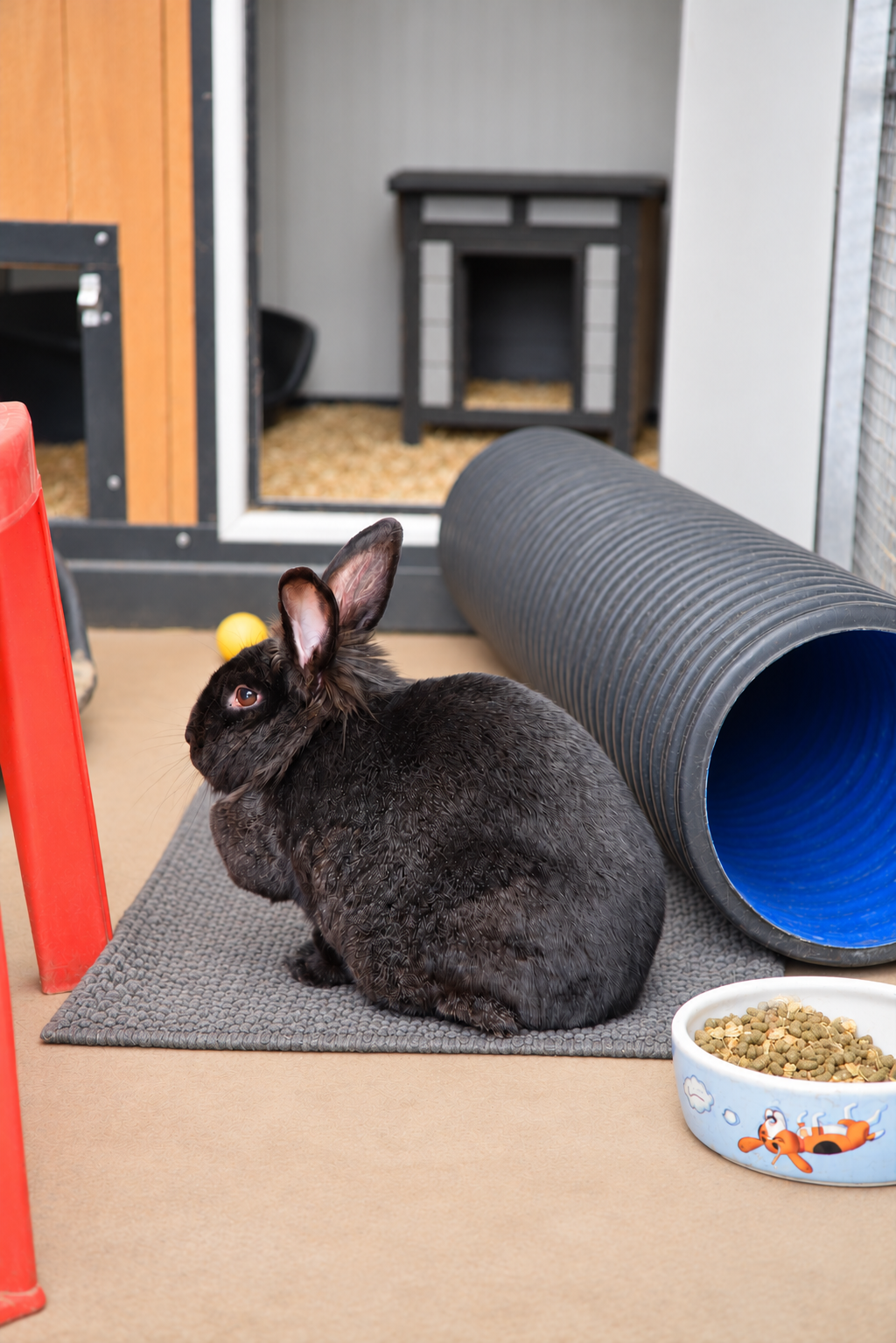
• Tunnels and hiding spaces
• Toys and chew items
• Opportunities to forage
• Safe exercise areas
• Species-appropriate companionship
Animals should always be introduced carefully and monitored appropriately, as not all species or individuals can safely live together.
Veterinary Care
Small pets still require routine veterinary care, even if they are less likely to show obvious signs of illness. Many species instinctively hide pain or weakness, meaning problems can become serious quickly. Owners should monitor for:
• Changes in appetite or drinking
• Weight loss
• Breathing difficulties
• Lethargy
• Changes in droppings
• Overgrown teeth or nails
• Changes in behaviour
If you notice any sudden changes, seek veterinary advice promptly. If a rabbit stops eating or passes fewer or no droppings, contact a vet immediately. Rabbits also need vaccinations against myxomatosis and rabbit viral haemorrhagic disease; ask your vet about the vaccination schedule.
Handling and Welfare
Small animals should always be handled gently and calmly. Loud environments, rough handling, or frequent disturbance can cause significant stress and fear. Children should always be supervised around animals, and pets should never be treated as toys. Teaching respectful and compassionate handling from an early age helps promote positive animal welfare and responsible ownership.
A Long-Term Commitment
Although they may be smaller in size, small pets still require time, financial commitment, and ongoing care throughout their lives. Before taking on any animal, owners should consider:
• Veterinary costs
• Appropriate housing requirements
• Daily cleaning and feeding
• Holiday and emergency care arrangements
• Lifespan and companionship needs
Many small animals end up in rescue due to impulse purchases or owners underestimating their needs. With proper care, patience, and understanding, they can become rewarding and much-loved companions.
We are here to help
If you need advice about caring for your animal, speak to Carla Lane Animals in Need. For an urgent health concern, contact a vet promptly.