ADVICE & RESOURCESIn this guideFireworks and loud noises
Heatwaves and hot weather
Cold weather care
Holiday hazards
Parasites and wildlife
Planning ahead
How we can help
Seasonal changes, celebrations, and extreme weather can all affect the health, safety, and wellbeing of pets. Being aware of seasonal hazards and preparing in advance can help keep animals safe and reduce unnecessary stress.
Fireworks and Loud Noises
Fireworks can be extremely frightening for many animals. Loud noises, flashing lights, and sudden bangs may cause stress, panic, and attempts to escape.
Signs of anxiety may include:
• Trembling or shaking
• Hiding
• Excessive barking or vocalisation
• Pacing or restlessness
• Destructive behaviour
• Refusing food
To help reduce stress during fireworks:
• Keep pets indoors where possible
• Close windows, curtains, and blinds
• Provide a quiet, safe hiding space
• Use background noise such as television or music
• Walk dogs earlier in the day before fireworks begin
• Ensure microchip details are up to date in case pets escape
If your pet struggles significantly with anxiety, speak to your vet for advice and support.
Heatwaves and Hot Weather
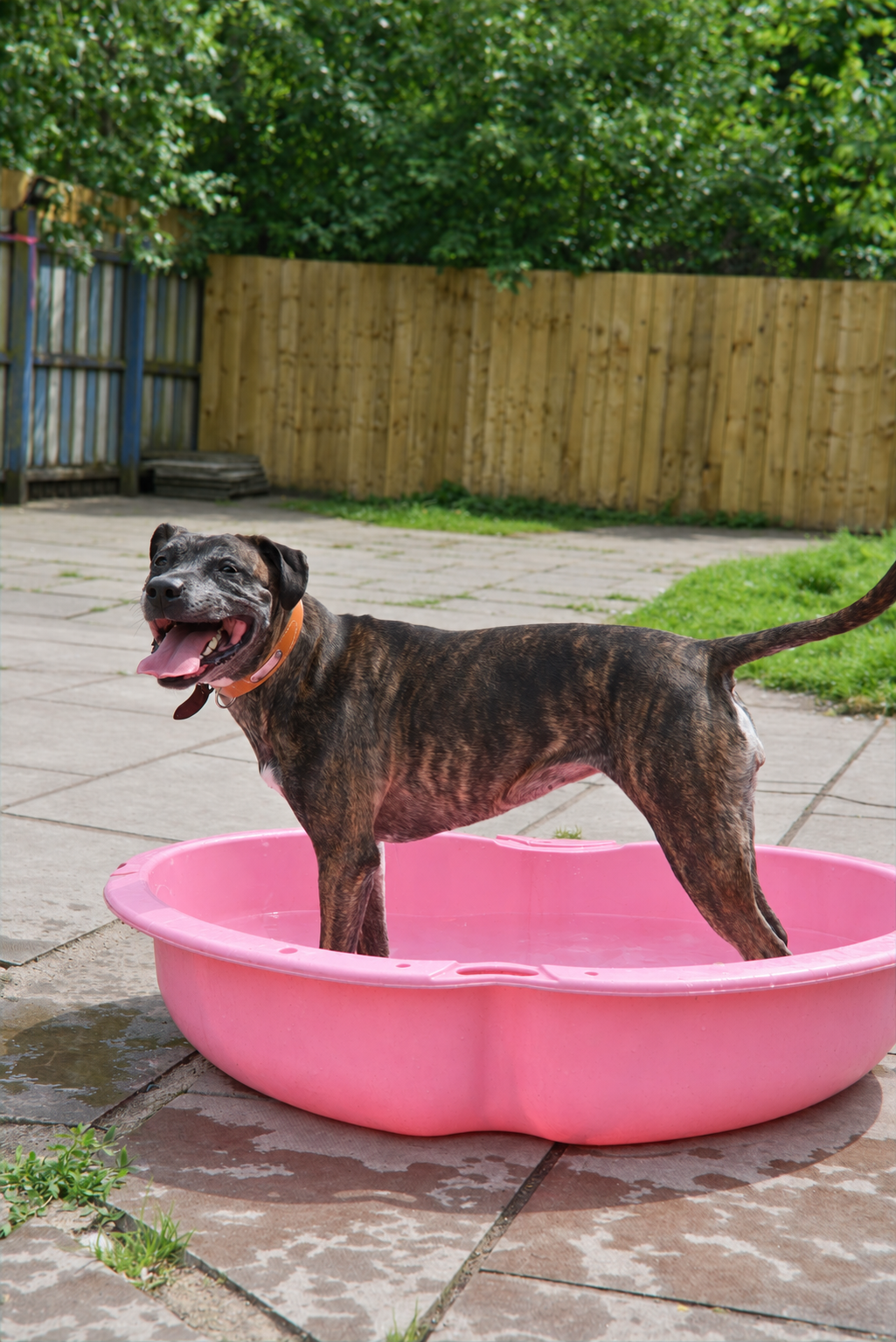
Animals can quickly become dangerously overheated during warm weather. Heatstroke is a serious medical emergency and can become fatal without prompt treatment. During hot weather:
• Ensure constant access to fresh water
• Provide shaded, cool resting areas
• Avoid walking dogs during the hottest parts of the day
• Never leave animals in parked vehicles
• Be cautious with hot pavements, artificial grass, and sand
• Watch for signs of overheating such as excessive panting, drooling, vomiting, weakness, or collapse
Suspected heatstroke is an emergency. Move your dog out of the heat, begin cooling the body with water cooler than the dog, avoiding the head, and contact a vet immediately for urgent care. Do not cover the dog in wet towels, which can trap heat. If a dog is distressed in a hot car, call 999.
Flat-faced breeds, elderly pets, overweight animals, and those with existing health conditions may be particularly vulnerable in hot temperatures.
Cold Weather Care
Cold weather can also present risks, especially for older animals, very young pets, short-haired breeds, and small animals housed outdoors.
During colder months:
• Provide warm, dry bedding and shelter
• Ensure outdoor hutches and enclosures are weatherproof
• Keep water from freezing
• Dry pets thoroughly after walks
• Be cautious around icy surfaces and frozen ponds
• Monitor elderly or unwell pets closely
Outdoor rabbits and guinea pigs may require additional insulation and protection from wind during winter weather.
Holiday Hazards
Busy holidays and celebrations can create unexpected dangers for pets. Decorations, unfamiliar visitors, food, and changes in routine may all cause stress or increase the risk of accidents. Common seasonal hazards include:
• Chocolate and sweets
• Alcohol
• Cooked bones
• Toxic plants and decorations
• Electrical cables and lights
• Open doors during gatherings
• Small objects that may be swallowed
Animals may also become overwhelmed by busy environments or loud celebrations, so it is important to provide quiet spaces where they can retreat if needed.
Seasonal Parasites and Wildlife Risks
Warmer weather can increase exposure to fleas, ticks, and other parasites. Owners should keep preventative treatments up to date and regularly check pets after walks or outdoor activity. Seasonal wildlife encounters can also present risks, particularly for dogs. Be aware of livestock, nesting birds and potentially harmful plants while out walking.
Planning Ahead
Simple preparation can make a significant difference to your pet’s safety and wellbeing throughout the year. Keeping identification details updated, monitoring weather conditions, and understanding seasonal risks all help owners respond quickly when needed.
We are here to help
If you need advice about caring for your animal, speak to Carla Lane Animals in Need. For an urgent health concern, contact a vet promptly.
Explore all advice